Hardware with purpose.
Schematics, component selection and PCB layout, considered together with power, interfaces, mechanical fit and the practical details of assembly.
 PRECISION
INDEPENDENT THINKING. CANADIAN ELECTRONICS.
From the first circuit to the final assembly.
Good ideas deserve exceptional hardware.
01 / THE WAY WE THINK
Precision Arrays is a Canadian corporation creating electronics with a close connection between design and production. The circuit, the firmware and the way a board is built all belong in the same conversation.
Schematics, component selection and PCB layout, considered together with power, interfaces, mechanical fit and the practical details of assembly.
FPGA systems and microcontroller firmware that connect the hardware to its purpose. Experience spanning programmable logic, memory, storage and real-world I/O.
Manufacturing considerations from the start: accessible test points, clear assembly information, sensible component choices and a repeatable path through inspection and test.
02 / SELECTED ENGINEERING WORK
FPGA systems, embedded control and complete board designs. Explore the hardware, architecture and assembly details behind our work.
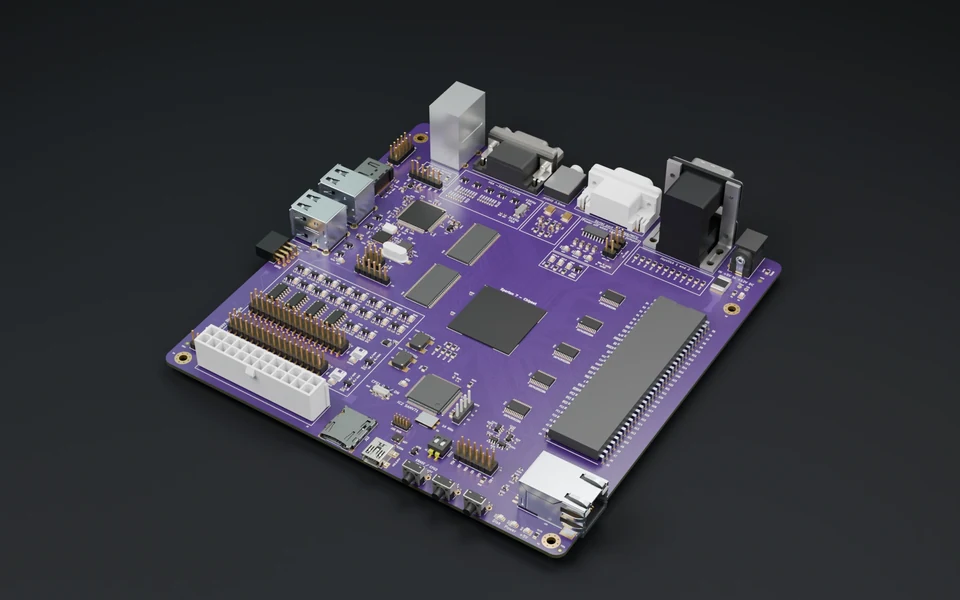
Spartan-7 logic, Cortex-M7 control and a physical 68000 interface on an eight-layer motherboard.
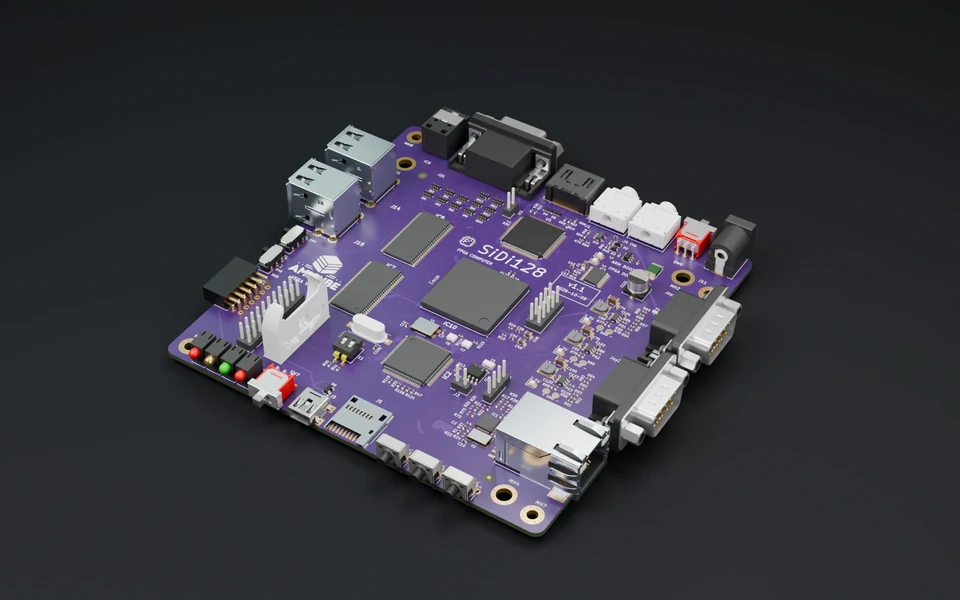
A Cyclone 10 FPGA system bringing memory, embedded control and a broad set of interfaces together.
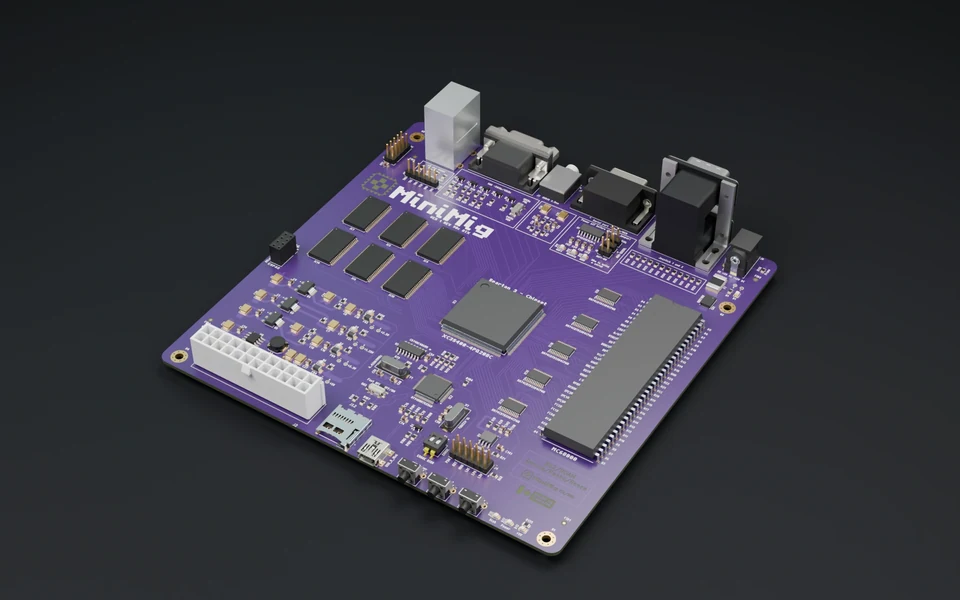
A physical MC68000 and programmable logic, brought together in a complete Mini-ITX board.
Board designs and implementations by Ranko Rodic. Explore the complete presentations, native 3D models and assembly guides here on Precision Arrays. Shared open-source foundations and contributor credits remain part of each project’s story.
03 / THE ASSEMBLY MINDSET
A good assembly starts long before the first component is placed. Our approach connects a considered design with a clear build sequence and meaningful verification.
FOLLOW THE BOARD
Select a stage to explore the workflow.
Check the bill of materials, board revision, component orientation, footprints and assembly data. Plan panelisation, fiducials and access for test before committing to a build.
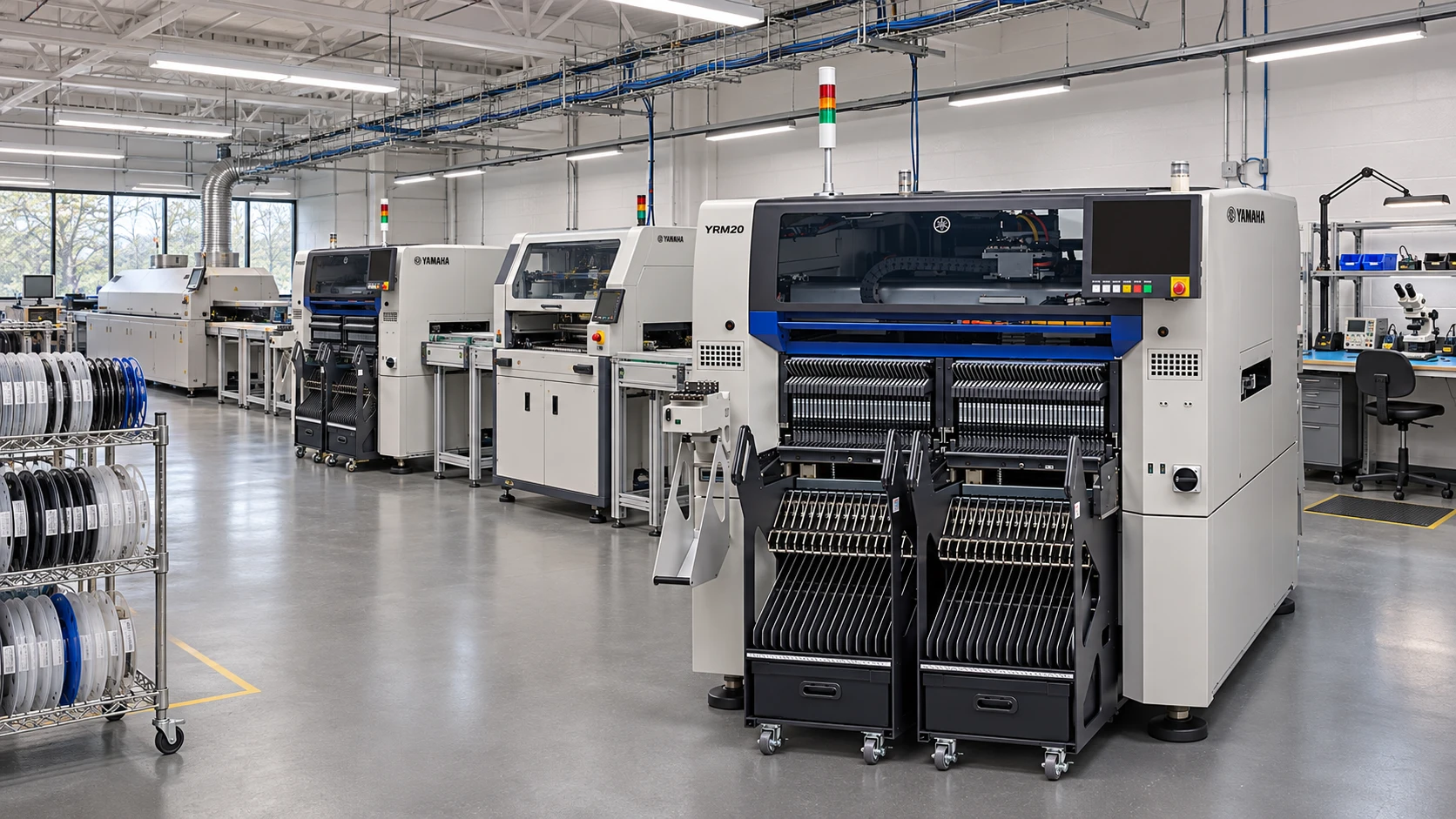
FOCUS / A CLEAR, BUILDABLE RELEASEControl solder-paste application and component setup. Match feeders, part identity and placement information to the released assembly package.
FOCUS / MATERIALS AND PLACEMENTEstablish an appropriate thermal process, then inspect solder joints, polarity and component placement. Feed observations back into both process setup and board design.
FOCUS / THE QUALITY OF EACH CONNECTIONBring up the power rails, load the correct firmware and exercise the product’s functions. Define what passes, record the result and keep revisions identifiable.
FOCUS / FUNCTION, REVISION AND REPEATABILITYGOOD PRACTICE,
BY DESIGN.
04 / PRECISION ARRAYS
We are a Canadian electronics corporation with a practical belief: understanding how a product is made makes its design better.
Our work connects PCB design, programmable logic and embedded software. Our direction is a closely integrated environment for development, assembly, inspection and test.
Independent thinking. Careful execution.
Attention to the details that make hardware work.

LET’S MAKE SOMETHING WORK.
Have a product idea, a board to develop or a technical challenge to explore? Start with the purpose, the constraints and what success looks like.
Contact RankoEmail Ranko directly: office@minimig.ca